Saffron: The Sunshine Spice, and What It Actually Does
BÂHAM Apothecary · May 12, 2026 · 2 min read
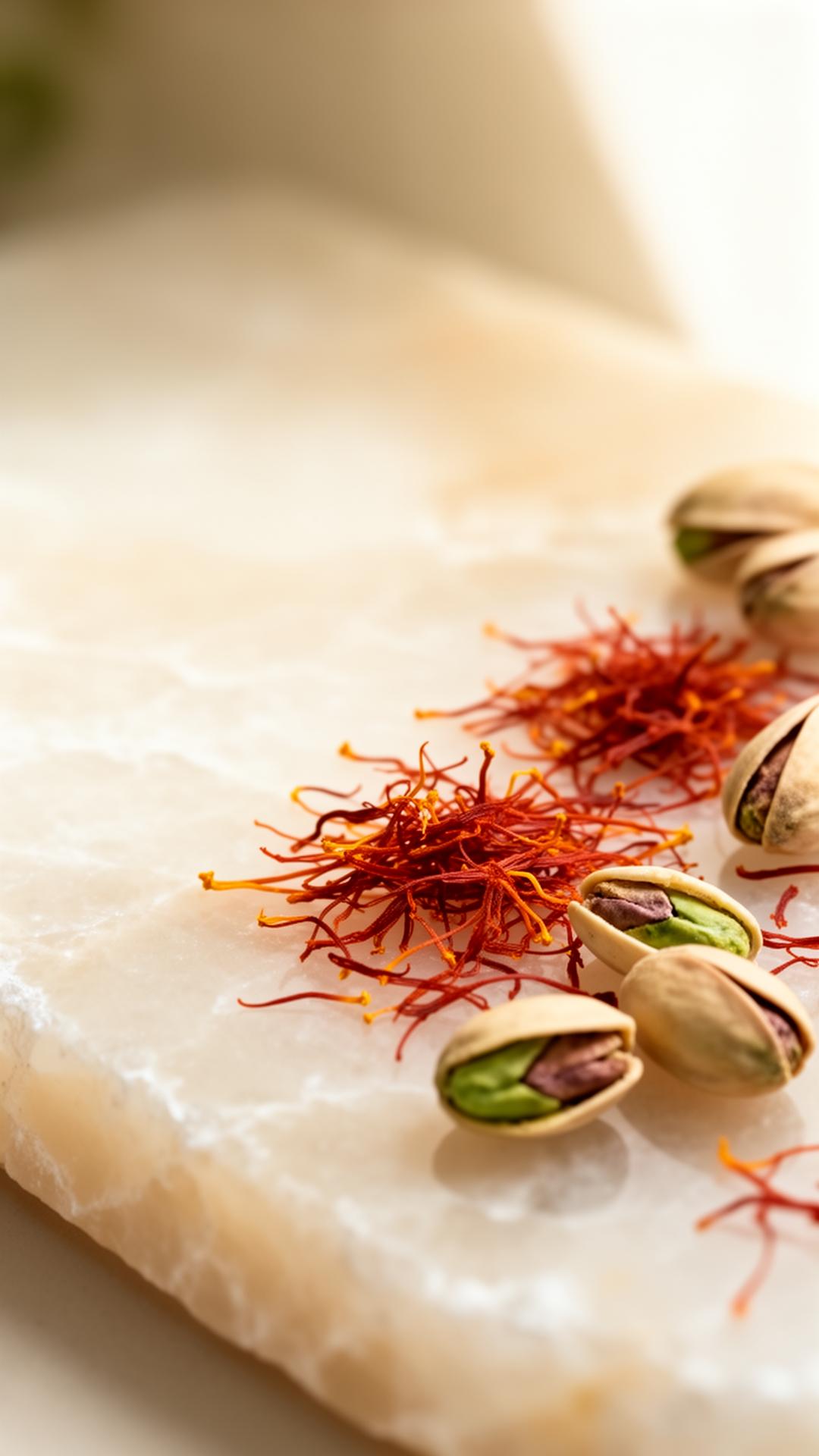
Each saffron thread is the crimson stigma of a crocus flower, picked by hand in the cool of early morning before the sun can wilt it. It takes roughly 150 flowers to make a single gram. This is why it has been called red gold for a thousand years — and why a little has always been made to go a long way.
But saffron was never only a luxury at the Persian table. It was medicine.
A long memory
Physicians from Avicenna onward reached for saffron as a mufarreh — a "gladdener of the heart." It appeared in remedies meant to lift mood and settle the spirit, long before anyone could explain why.
What the research suggests
Modern study has started to catch up to old intuition. Saffron's active compounds — chiefly crocin and safranal — have been investigated for their role in mood and emotional wellbeing, with several trials pointing in an encouraging direction.
The growers in Khorasan would tell you none of this. They would simply hand you tea and say it is good for the heart. They were not wrong.
We are careful here: this is a wellness tradition supported by emerging evidence, not a treatment. Saffron is a food and a botanical, and nothing on this page is a medical claim or a substitute for your prescriber's advice.
How we use it
In our Nourish Blend, saffron is there for two reasons at once — the genuine warmth it lends to a daily protein, and the centuries of care folded into a single golden thread. Heritage and function, in the same scoop.